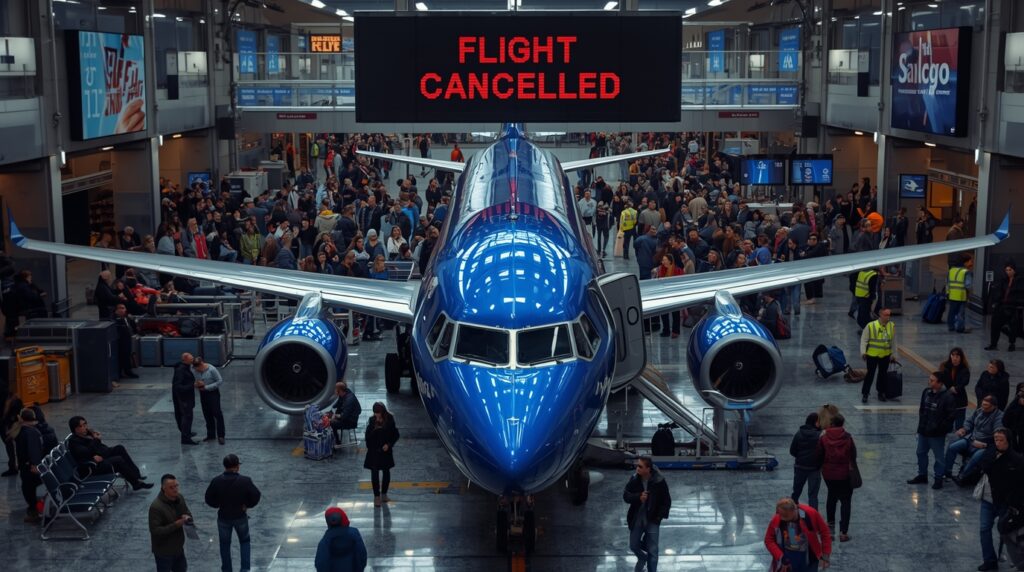

IndiGo’s recent wave of flight cancellations and delays is rooted in stricter Flight Duty Time Limitation (FDTL) rules issued by the DGCA to curb pilot fatigue, which collided with crew shortages and weak rostering, triggering chaos across major Indian airports. The episode has exposed how safety‑driven regulation, airline cost pressures and limited slack in India’s aviation ecosystem can quickly translate into mass passenger disruption when not managed proactively.
What Triggered IndiGo’s Flight Cancellations
The immediate trigger was the rollout of Phase‑II of the revised FDTL Civil Aviation Requirements in 2025, which tightened limits on how long flight crew can be on duty, especially at night, and increased mandatory rest periods between duties. IndiGo, India’s largest carrier with a heavy dependence on red‑eye and early‑morning rotations, underestimated how many additional pilots and cabin crew it would need to remain compliant once these rules fully kicked in.
As the new norms took effect, the airline found that many scheduled flights could not legally operate because assigned crew would exceed duty or night‑time thresholds, forcing cancellations and rolling delays. DGCA data shows that in November alone, IndiGo cancelled 1,232 flights, of which 755 were explicitly attributed to crew and FDTL constraints, far above typical levels for a single airline.
Understanding DGCA’s FDTL Rules
Flight Duty Time Limitation norms are designed to prevent fatigue‑related safety risks by capping how long pilots and cabin crew can work in a given period and by mandating minimum rest. The revised DGCA rules differentiate between day and night operations, limit duty periods for night‑encroaching flights more strictly, and require longer rest after extended duty or multiple sectors.
Under the updated framework, airlines cannot simply roster crews back‑to‑back on dense night schedules; if duty or flight time is extended (for instance, due to delays or holding), rest requirements increase accordingly. IndiGo’s network model, which relied on tight aircraft turns and long sequences of short‑haul flights, became much harder to sustain without a bigger crew pool and more sophisticated rostering.
DGCA’s Intervention And Temporary Relaxation for Indigo
As flight disruptions mounted, DGCA ordered inspections at major hubs like Delhi and Mumbai, examining IndiGo’s crew planning, passenger handling and compliance with the new norms. The regulator noted that the airline’s on‑time performance dropped sharply in November to around two‑thirds of flights departing on time, compared with over 84% in October.
Facing scenes of stranded passengers and widespread anger, the DGCA granted IndiGo a one‑time, time‑bound relaxation of some revised FDTL provisions, effectively freezing further tightening while the airline adjusts. In its order, the regulator recorded that IndiGo admitted misjudging the impact of Phase‑II FDTL changes and acknowledged shortcomings in crew planning and rostering, while committing to accelerated recruitment and better preparedness.
Chaos At Airports And Passenger Fallout due to Indigo Flight Cancellations
The operational crunch translated into hundreds of daily disruptions at key airports, with some days seeing 170–200 IndiGo flight cancellations and widespread multi‑hour delays across the network. Passengers reported waiting in terminals for four to eight hours, often with limited real‑time information, insufficient staff at counters and long queues for rebooking or refunds.
Airport officials flagged that IndiGo had not scaled up ground staff or customer‑handling manpower proportionately, compounding the chaos as crowds built up around help desks and boarding gates. Social media quickly filled with videos and posts showing congested check‑in halls, families sleeping on floors, and confrontations between frustrated travellers and airline staff.

Safety Versus Operations: The Larger Debate
The IndiGo episode has reignited debate over how strictly fatigue regulations should be enforced in a high‑growth, low‑margin aviation market. Advocates of the revised FDTL norms argue that pilot fatigue is a serious safety hazard and that India must align more closely with global best practices rather than stretching crews to maintain schedules.
Airlines, meanwhile, warn that abrupt tightening without phased capacity building can create exactly the kind of disruption seen in this case, especially for carriers running dense low‑cost networks with little spare crew or aircraft. The DGCA’s difficult balancing act is evident: it reprimanded IndiGo for poor planning and held operators responsible for passenger inconvenience, even as it softened implementation to restore short‑term stability.
What Needs To Change Going Forward
Experts point to three key lessons. First, airlines must treat regulatory changes—especially those affecting crew duty—as strategic issues, not last‑minute operational tweaks, building in buffers through earlier hiring and more conservative schedules. Second, DGCA and carriers need more transparent transition roadmaps so that safety upgrades do not blindside operations and passengers.
Third, airports and airlines must invest more in passenger communication and contingency handling: clear alerts, automatic rebooking options, adequate staffing, and coordination with other carriers to minimise stranded travellers when large‑scale disruption hits. If these lessons are absorbed, the recent chaos could ultimately push India’s aviation sector toward safer, more resilient operations—but the IndiGo meltdown shows how costly the adjustment phase can be when planning falls short.