India is accelerating defence modernisation with a flurry of big‑ticket approvals for tanks, helicopters, missile systems and indigenous platforms aimed at boosting combat capability and self‑reliance. These decisions are reshaping how the armed forces prepare for two‑front threats, high‑altitude warfare and maritime security in the Indian Ocean.
Why defence modernisation is being fast‑tracked
India faces a complex security environment: a contested Line of Actual Control with China, persistent tensions along the Pakistan border and growing competition in the Indian Ocean Region. Recent policy documents and statements from the defence establishment underline the need to upgrade legacy Soviet‑era equipment, improve jointness among services and push Make in India for defence.
Budget allocations for capital procurement have been steadily rising, with a growing share earmarked for domestic industry, start‑ups and private sector participation. The push includes long‑term integrated capability plans, higher R&D spending and faster decision‑making through bodies like the Defence Acquisition Council (DAC).
Tanks and armoured platforms: from legacy to next‑gen
On the land warfare side, modernisation is focused on replacing or upgrading ageing T‑72 and early‑batch T‑90 tanks while refining indigenous platforms like Arjun and future tracked vehicles. The Army is also looking at lighter, high‑mobility armoured systems for mountains and high‑altitude deployment where traditional heavy armour struggles.
Recent approvals have included large orders for indigenous armoured fighting vehicles, mine‑protected vehicles and self‑propelled artillery systems built in partnership with Indian private firms. These purchases are intended not just to close capability gaps but also to create domestic manufacturing ecosystems that can support exports in the medium term.

Helicopters: boosting mobility and attack capability
Rotary‑wing assets are a major focus of current big‑ticket approvals. The armed forces are inducting and ordering more advanced light helicopters, heavy‑lift platforms and dedicated attack helicopters for both plains and high‑altitude operations.
Indigenous designs like the Light Combat Helicopter (LCH) and Advanced Light Helicopter (ALH) are seeing expanded production orders, giving a significant boost to Make in India. Parallel efforts are underway to rationalise the helicopter fleet, retire older platforms and ensure commonality in spares, maintenance and training across the three services to reduce long‑term costs.

Missile systems and air defence modernisation: layered shields
India’s missile and air‑defence modernisation includes both offensive and defensive systems. Big‑ticket decisions in recent years have covered long‑range surface‑to‑air missile systems, upgraded Akash and other indigenous air‑defence platforms, as well as new orders and variants of the BrahMos supersonic cruise missile.
The aim is to build a layered defensive shield against aircraft, drones and ballistic missiles while also enhancing precision strike options against high‑value targets on land and at sea. Indigenous development, often in collaboration with DRDO, public sector units and private partners, is central to these programmes to reduce dependence on imports and secure supply chains during crises.

Indigenous manufacturing, exports and Atmanirbhar Bharat
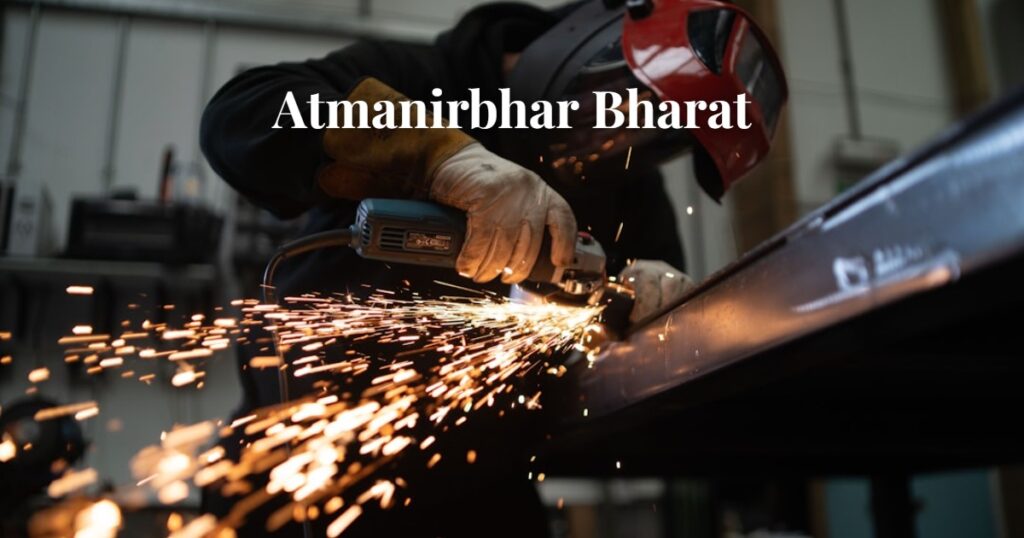
A key theme running through all new big‑ticket approvals is Atmanirbhar Bharat in defence. Positive indigenisation lists, higher FDI limits in defence manufacturing and streamlined testing and certification processes are all geared to shift procurement towards Indian companies.
Several home‑grown systems—from artillery guns and armoured vehicles to drones and electronic warfare equipment—have already found export customers in Asia, Africa and Latin America. Policy makers view each new order for indigenous tanks, helicopters or missile systems as both a capability boost and a signal to global buyers that India is emerging as a credible defence exporter.
What this means for strategy and the economy
Strategically, modernisation and new approvals strengthen deterrence by signalling that India is preparing for high‑intensity, multi‑domain conflict scenarios rather than limited skirmishes alone. Better armour, aviation and missile capabilities improve readiness along the northern borders, coastal areas and island territories, enabling faster deployment and more flexible responses.
Economically, big‑ticket defence orders support thousands of high‑skill jobs, spur investment in advanced materials, electronics and propulsion and create spill‑over benefits for civilian sectors like aerospace and automotive. The long‑term challenge will be to balance rapid capability enhancement with fiscal prudence, ensuring that modernisation remains sustainable while helping India meet both security and development priorities.